

The Future Is Clear: How Glass Technology Will Lead the Next Wave of Architectural Innovation
Let’s cut to the chase glass is no longer just about looks. In the coming decade, it’s going to be the engine behind smart, sustainable, and agile buildings. The trends? They’re not just coming, they’re already knocking at the door.
1. Smart Glass & Switchable Film: Privacy and Efficiency in One
We’re seeing switchable glass and films move from luxury to mainstream. With a tap, glass transitions from transparent to opaque, delivering flexible privacy and energy efficiency. The impact? Hotels are swapping out curtains for smart partitions, offices are adopting flexible glass walls, and homes are integrating privacy glass into their automation systems. Smart glass technology and switchable films are now essential tools for architects and facility managers.
2. Photochromic & Electrochromic Glass: Adaptive, Energy-Saving Solutions
Photochromic and electrochromic glass is set to dominate everything from facades to skylights. These solutions automatically adjust tint and shading, reducing the need for artificial lighting and cooling. The result? Lower operational costs and a smaller carbon footprint. If energy efficiency and sustainability matter to your business, these glass options are fast becoming non-negotiable.
3. Interactive Glass Displays: Transforming Communication
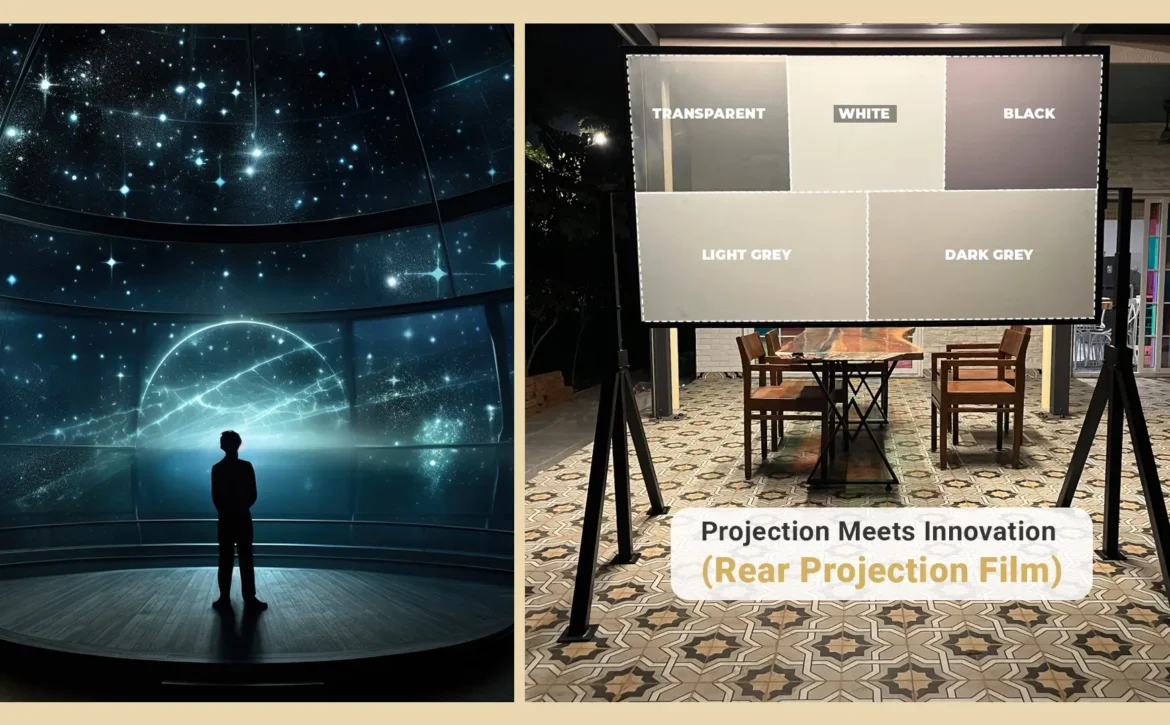
Glass is evolving into a communication platform. With integrated projection and AR, storefronts can double as digital billboards, conference rooms become interactive hubs, and museums offer immersive guest experiences. Interactive glass display technology is opening new doors for branding and collaboration.
4. Sustainable & Self-Cleaning Glass: Maintenance Made Simple
Thanks to nanotech, self-cleaning glass now leverages sunlight and rain to stay spotless. Add energy-efficient coatings, and you’ve got windows that support green certifications and minimize cleaning costs. For businesses focused on sustainability and operational efficiency, this tech is a game-changer.
5. Acoustic & Safety Glass: Enhancing Comfort and Security
As urban density increases, so does the need for soundproof and secure environments. Acoustic glass and shatter resistant films are being rapidly deployed in commercial, healthcare, and residential projects, ensuring spaces are both comfortable and protected.
6. Design Meets Technology: Shaping Flexible, Premium Spaces
Modern interiors demand flexibility and minimalism. Glass is set to define both space and atmosphere through dynamic lighting, projection, and seamless smart integration. It’s no longer just a divider it’s a strategic design asset.
Over the next decade, glass technology is going to reshape architecture—delivering smarter, greener, more interactive spaces. From adaptive privacy solutions and energy-saving facades to digital displays and self-cleaning windows, the possibilities are massive.
At Royal Tint, we’re committed to driving this transformation. If you’re planning your next project and want to leverage the best in glass innovation, connect with us. The future of architecture is transparent, adaptive, and ready for business.