royal tint logo

Contact Info

1218 - Maple Trade
Center, Surdhara Circle, Thaltej,
Ahmedabad- 380052.

(+91) 81406 81402

info@royaltint.in
contact@royaltint.in

Folow Us

Category: Residencial

The Future Is Clear: How Glass Technology Will Lead the Next Wave of Architectural Innovation

Let’s cut to the chase glass is no longer just about looks. In the coming decade, it’s going to be the engine behind smart, sustainable, and agile buildings. The trends? They’re not just coming, they’re already knocking at the door.

1. Smart Glass & Switchable Film: Privacy and Efficiency in One

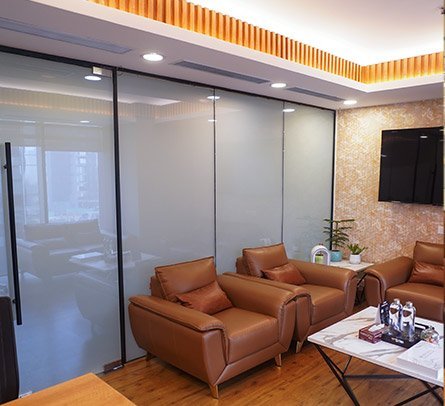
We’re seeing switchable glass and films move from luxury to mainstream. With a tap, glass transitions from transparent to opaque, delivering flexible privacy and energy efficiency. The impact? Hotels are swapping out curtains for smart partitions, offices are adopting flexible glass walls, and homes are integrating privacy glass into their automation systems. Smart glass technology and switchable films are now essential tools for architects and facility managers.

2. Photochromic & Electrochromic Glass: Adaptive, Energy-Saving Solutions

Photochromic and electrochromic glass is set to dominate everything from facades to skylights. These solutions automatically adjust tint and shading, reducing the need for artificial lighting and cooling. The result? Lower operational costs and a smaller carbon footprint. If energy efficiency and sustainability matter to your business, these glass options are fast becoming non-negotiable.

3. Interactive Glass Displays: Transforming Communication

Glass is evolving into a communication platform. With integrated projection and AR, storefronts can double as digital billboards, conference rooms become interactive hubs, and museums offer immersive guest experiences. Interactive glass display technology is opening new doors for branding and collaboration.

4. Sustainable & Self-Cleaning Glass: Maintenance Made Simple

Thanks to nanotech, self-cleaning glass now leverages sunlight and rain to stay spotless. Add energy-efficient coatings, and you’ve got windows that support green certifications and minimize cleaning costs. For businesses focused on sustainability and operational efficiency, this tech is a game-changer.

5. Acoustic & Safety Glass: Enhancing Comfort and Security

As urban density increases, so does the need for soundproof and secure environments. Acoustic glass and shatter resistant films are being rapidly deployed in commercial, healthcare, and residential projects, ensuring spaces are both comfortable and protected.

6. Design Meets Technology: Shaping Flexible, Premium Spaces

Modern interiors demand flexibility and minimalism. Glass is set to define both space and atmosphere through dynamic lighting, projection, and seamless smart integration. It’s no longer just a divider it’s a strategic design asset.

Over the next decade, glass technology is going to reshape architecture—delivering smarter, greener, more interactive spaces. From adaptive privacy solutions and energy-saving facades to digital displays and self-cleaning windows, the possibilities are massive.

At Royal Tint, we’re committed to driving this transformation. If you’re planning your next project and want to leverage the best in glass innovation, connect with us. The future of architecture is transparent, adaptive, and ready for business.

How Rear Projection Film Turns Glass into Interactive Displays

Transforming Glass Into High-Impact Digital Displays

Let’s face it: in today’s hyper-competitive market, basic screens and clunky displays just don’t cut it. Customers expect innovation and sleek presentation something that grabs attention without cluttering up your space. That’s where rear projection film steps in. It’s a modern, sophisticated way to turn any glass surface into a dynamic digital display, boosting both style and function across business environments.

What Is Rear Projection Film?

Think of rear projection film as a discreet, high-tech layer you apply directly to glass or acrylic. On its own, it’s nearly invisible exactly what you want in upscale spaces. But when you combine it with a projector behind the surface, the film diffuses light perfectly, delivering crisp, high-resolution visuals right on your glass. Whether you’re running digital signage, interactive presentations, or immersive product demos, this solution elevates your brand image instantly

How Does It Work?

Here’s a streamlined view:
  • Film Application: The film is applied directly to your glass or acrylic panels.
  • Projector Placement: A projector is positioned behind the glass.
  • Light Diffusion: The film’s advanced layers distribute the projected light evenly no hotspots, just a clean, professional image.
  • Interactive Option: Integrate a touch overlay and you’ve got a full interactive touchscreen, right on your glass partition or storefront.

Why Businesses Choose Rear Projection Film

  • No visual clutter keep your interiors modern and open.
  • Supports high-definition and even 4K projection, so your content always looks its best.
  • Maximizes use of space no mounts, stands, or extra hardware.
  • Enables interactive experiences for customers and staff.
  • Glass remains clear and unobstructed when the display is off.

Where Does This Technology Excel?

  • Retail: Showcase promotions, product launches, or interactive catalogs right on your windows.
  • Corporate: Turn glass walls or meeting rooms into presentation powerhouses.
  • Events: Create next-level digital displays for branding and engagement.
  • Museums/Galleries: Power interactive exhibits and digital storytelling.
  • Hospitality & Real Estate: Use lobby glass or partition walls for up-to-date information or digital signage.

Ready to Innovate?

Rear projection film isn’t just another display it’s a strategic investment in your brand’s image and functionality. If you’re interested in exploring how this technology can elevate your business, connect with us  for samples, demos, or expert consultation. Let’s turn your glass into a real business advantage.

How Rear Projection Film Transforms Glass into a Display Screen

Windows are dead. Well, not dead but just being see-through? That’s so last century. Imagine if your glass could moonlight as a digital canvas. Enter rear projection film, the secret sauce for turning plain old glass into a dynamic, shape-shifting display. It’s like giving Clark Kent glasses that actually do something.

Picture this: you slap on this high-tech, light-bending film, park a projector behind it, and presto your storefront window becomes an interactive billboard. Or your boardroom wall? Boom, it’s a presentation portal. When the show’s over, the glass goes back to doing its regular glass thing, invisible as ever. Honestly, it’s like a magic trick for grown-ups who never outgrew their love for sci-fi gadgets.

How does it work? There’s some micro-particle wizardry in the film that grabs the light and spreads it around, so even if the sun’s blasting through your window, your images are still crisp. No more battling with clunky LED screens or confusing wires. Just glass, a film, and a projector. Minimal effort. Maximum wow.

And the possibilities? Endless. Want to stop shoppers in their tracks with a digital catwalk on your window? Go for it. Want to turn your hotel lobby into a living Monet painting? Easy. Museums, exhibitions, even your living room if you’re feeling extra. It’s like your glass is auditioning for a role in Blade Runner and totally nailing it.

Why bother with this futuristic film? Because it’s space-saving, easy to retrofit, and adapts to whatever you throw at it HD, 4K, interactive doodads, you name it. Plus, it keeps your space looking sharp and uncluttered. No more eyesore screens.

So yeah, if your glass is just sitting there, being boring and transparent, maybe it’s time to give it a new gig. Your windows want in on the action. Let them shine—literally.

How Color Changing Films Are Revolutionizing Interior Glass Design

Interior design is evolving fast and glass is no longer just a transparent divider. With color changing films, plain glass surfaces are turning into living, breathing canvases of color and light. These films react to natural and artificial light, creating vibrant shifts in tone and reflection throughout the day. Whether it’s a modern office, luxury home, showroom, or creative workspace, color changing glass film brings visual interest, energy, and innovation into the environment.

What Are Color Changing Films?

Color changing (also known as dichroic or color shift) films are specialty architectural films applied to glass surfaces. They reflect different colors depending on the viewing angle, lighting, and time of day creating a constantly changing aesthetic that makes interiors feel alive.

Key Benefits of Using Color Changing Glass Films

✔️ Instant Visual Impact

The changing color tones instantly elevate glass walls, partitions, and doors into art pieces.

✔️ Modern and Futuristic Appeal

Great for tech offices, creative studios, or high-end retail where cutting-edge design matters.

✔️ No Need to Replace Glass

Just apply the film to existing glass—cost-effective and fast to install.

✔️ Customizable Looks

Available in various shades and finishes (soft shimmer, bold mirror effect, etc.).

Where Can Color Changing Film Be Used?

  • Office cabins and conference rooms

  • Retail stores and fashion displays

  • Hotel lobbies and hospitality areas

  • Homes – staircases, balconies, kitchen partitions

  • Exhibition stands and creative installations

Color changing films are not just decorative they’re transformative. In a world where design meets experience, these films offer a cost-effective, eye-catching, and innovative way to make interiors more expressive and memorable.

Switchable Glass is Revolutionizing Privacy in Homes and Offices

Understanding Switchable Glass Technology

Switchable glass is revolutionizing privacy in both residential and commercial spaces. Unlike traditional solutions like curtains and blinds, switchable glass offers instant privacy control, energy efficiency, and modern aesthetics. As more homeowners and businesses adopt innovative solutions, switchable glass is set to become the standard for privacy management. Switchable glass, also known as smart glass or privacy glass, uses PDLC (Polymer Dispersed Liquid Crystal) technology to transition between transparent and opaque states with the application of an electric current. With a simple switch or remote control, users can adjust visibility and light transmission, making it ideal for dynamic and adaptable spaces.

Top Benefits of Switchable Glass

  • Energy Savings and Climate Control

    Switchable glass contributes to better indoor temperature regulation by reducing heat transfer. In both homes and offices, this leads to lower energy consumption, decreasing heating and cooling costs.
  • Aesthetic and Modern Appeal

    Unlike blinds and curtains, switchable glass enables on-demand privacy while maintaining a sleek and minimalist look. It works effectively in home windows, office conference rooms, and hotel partitions to provide seamless privacy without obstructing natural light.
  • UV Protection and Anti-Glare Features

    Switchable glass effectively blocks harmful ultraviolet (UV) rays, safeguarding furniture and interior decor from fading. Additionally, it reduces glare, making workspaces and living areas more comfortable and productive.
  • Instant Privacy with a Touch

    Unlike blinds and curtains, switchable glass enables on-demand privacy while maintaining a sleek and minimalist look. It works effectively in home windows, office conference rooms, and hotel partitions to provide seamless privacy without obstructing natural light.

  • Versatile and Multi-Functional Applications

    The technology is applied in windows, doors, partitions, skylights, shower enclosures, projection screens, and security panels. Its adaptability makes it suitable for both residential and commercial settings.

future-of-glass-office
future-of-glass-home

Where Smart Windows Are Used

  • Homes: For privacy, energy savings, and a stylish look.
  • Offices: Improves security, reduces glare, and saves energy.
  • Hospitals: Provides instant privacy in patient rooms and operation areas.
  • Cars: Used in sunroofs and windows for comfort.
  • Stores & Museums: Controls lighting to protect displays and products.


"What’s Next for Switchable Glass? A Look into the Future"

With advancements in AI and smart home integration, switchable glass is evolving beyond a luxury feature—it’s becoming a key element in voice-activated and automated systems. As costs decrease and adoption rises, this innovative technology is set to play a major role in sustainable architecture and modern interior design.

More than just an aesthetic upgrade, switchable glass is a smart, energy-efficient solution for homes and businesses. Its adaptability, enhanced privacy control, and eco-friendly benefits make it a game-changer in contemporary design. Whether you’re upgrading your home or office, investing in switchable glass enhances both functionality and style, shaping the future of smart living.

Why Switchable Glass and Switchable Film are the Future: A Smarter Alternative to Blinds

Product-Page-Banner (1)

In today’s world, where innovation meets convenience, switchable glass and switchable film are transforming the way we think about privacy, natural light, and aesthetics. Traditional blinds and curtains have been the go-to choice for decades, but they come with their fair share of downsides—dust accumulation, constant maintenance, and limited flexibility. If you’re looking for a modern, efficient, and stylish solution, switchable glass and switchable film are the answer.

At Royal Tint, we specialize in state-of-the-art switchable glass and switchable film technology, designed to enhance your space with effortless privacy control and sleek aesthetics. Let’s dive into why this innovative solution is better than traditional blinds and how it can revolutionize homes, offices, and commercial spaces alike.

What is Switchable Glass and Switchable Film?

Switchable glass, also known as smart glass, uses electrically controlled liquid crystal or polymer-dispersed liquid crystal (PDLC) technology to switch between transparent and opaque states instantly. With a simple switch, remote control, or even a voice command, you can control the level of privacy and light transmission in your space.

Similarly, switchable film offers the same benefits but can be applied to existing glass surfaces, making it an ideal retrofit solution.

How is it Better Than Traditional Blinds?

Unmatched Convenience & Control

Blinds require manual adjustments or motorized mechanisms that can break over time. With switchable glass and switchable film, a simple switch, remote, or even smartphone control lets you change from clear to private in an instant. No tangled cords, no maintenance, just seamless control.

Minimal Maintenance & Durability

Blinds accumulate dust, require frequent cleaning, and are prone to damage. In contrast, switchable glass and switchable film require virtually no maintenance. A quick wipe keeps them spotless—no need for tedious dusting or fixing bent slats.

Energy Efficiency & Cost Savings

Lower cooling costs in summer by blocking excessive heat.

Reduced heating expenses in winter by allowing more natural light in.

Optimized energy consumption, making it a sustainable choice for homes and businesses.

Enhanced Aesthetics & Modern Appeal

Say goodbye to bulky blinds cluttering your windows. Switchable glass and switchable film offer a clean, sleek, and futuristic look that enhances any interior design. Whether in a corporate office, luxury home, or a high-end retail space, this technology exudes elegance and sophistication.

Improved Hygiene & Health Benefits

Blinds are notorious for trapping dust, allergens, and bacteria, which can be problematic for those with allergies or respiratory conditions. Switchable glass and switchable film eliminate this issue, providing a cleaner and healthier environment.

Greater Privacy Without Compromising Light

Traditional blinds often block out natural light completely, making rooms feel dark and confined. With switchable glass and switchable film, you can maintain privacy while still allowing diffused natural light to enter, creating a bright and airy atmosphere.

Advanced Security Features

Unlike blinds, which can be easily damaged or tampered with, switchable glass adds an extra layer of security. When frosted, it prevents outsiders from seeing inside, and when combined with laminated glass, it offers shatter-resistant protection against break-ins.

Where Can You Use Switchable Glass and Switchable Film?

Residential Spaces – Use it for privacy in bedrooms, bathrooms, and living areas without sacrificing aesthetics.

Office Spaces – Transform meeting rooms, partitions, and executive offices with dynamic privacy control.

Healthcare Facilities – Create sanitary, easy-to-clean privacy partitions in hospitals, clinics, and dental offices.

Retail & Commercial Stores – Enhance storefronts and display windows with switchable branding and advertisement solutions.

Hotels & Hospitality – Elevate the guest experience with high-tech privacy solutions in hotel rooms and conference areas.

Automotive & Marine – Improve privacy and UV protection in luxury cars, yachts, and airplanes.

Why Choose Royal Tint?

High-Quality & Durable
Customizable to Any Space
Energy-Efficient & Cost-Effective
Easy to Install & Maintain
Smart Home & Office Compatible

Whether you’re looking to upgrade your home, office, or commercial property, we have the perfect solution tailored to your needs.

Make the Smart Switch Today!

The future of window privacy and control is here, and it’s time to leave outdated blinds behind. Upgrade to switchable glass and switchable film and experience the benefits of modern aesthetics, enhanced security, energy efficiency, and effortless convenience.

Contact Royal Tint today for a free consultation and let’s transform your space with smart technology.